
Understanding Modern Content Creation Platforms and Workflows

The landscape of digital publishing has undergone a profound structural transformation over the past decade. Organizations no longer rely on fragmented tools where a writer drafts in a basic word processor, a designer creates graphics in a separate application, and an editor manually uploads the final files into an isolated content management system via FTP. Today, modern content creation platforms span a wide continuum: from specialized, distraction-free standalone writing and design applications to comprehensive, enterprise-grade all-in-one systems. These advanced ecosystems seamlessly combine a Content Management System (CMS), digital asset creation, multi-tier approval workflows, automated cross-channel distribution, and deep behavioral analytics under a single unified dashboard. However, as enterprise tech stacks expand, digital marketing teams frequently fall into the trap of evaluating software purely by counting the sheer volume of features advertised on a pricing page, often overlooking whether the software actually supports human collaboration.
Successfully scaling a high-volume publishing operation requires a strategic shift in perspective. Instead of prioritizing feature bloat, content leaders must evaluate platforms based on how effectively they connect every critical stage of the publishing lifecycle. A content workflow is only as strong as its weakest handoff point. If your writing application cannot sync metadata directly with your digital asset management (DAM) repository, or if your SEO planning tools operate entirely disconnected from your final publishing queue, your team will inevitably waste valuable hours manually transferring data across incompatible silos. Building a cohesive operational foundation requires aligning your software choices with the core methodologies outlined in frameworks like The 5 Pillars of Modern Content Creation Strategy, ensuring that every piece of software serves a distinct purpose in reducing friction, eliminating redundant data entry, and accelerating time-to-market.
To better understand how these systems integrate into daily operations, it helps to break down the publishing lifecycle into distinct functional tiers and evaluate how different software categories address them:
| Workflow Stage | Standalone Tools | All-In-One Ecosystems | Primary Operational Benefit |
|---|---|---|---|
| Ideation & Research | Keyword research apps, mind-mapping software | Integrated SEO modules, trend tracking dashboards | Keeps keyword strategy tied directly to content outlines. |
| Creation & Design | Cloud-based text editors, vector graphics apps | Built-in block editors, collaborative visual canvas | Reduces the need to switch between multiple tabs and accounts. |
| Review & Approval | Email chains, external comment spreadsheets | Automated status gates, granular permission controls | Eliminates bottlenecks and ensures brand compliance prior to launch. |
| Distribution & Analytics | Native social schedulers, standalone tracking tools | Automated multi-channel publishing, unified ROI reporting | Provides clear visibility into performance without manual data aggregation. |
The evolution from standalone applications to unified digital workplaces has fundamentally redefined how content teams allocate their resources. When evaluating platforms, production managers must analyze the friction points in their current day-to-day operations. For instance, if your team experiences chronic delays during the editorial review phase, a platform featuring robust, automated multi-tier approval routing and inline commenting will yield a much higher return on investment than a tool offering advanced vector editing capabilities that your writers never use. Conversely, a design-heavy brand producing high volumes of visual infographics will prioritize seamless asset creation and integrated cloud storage over basic text-formatting engines.
Furthermore, the architectural maturity of your tech stack dictates how easily you can scale your output without proportionally increasing headcount. Disjointed tools often lead to version control errors, misplaced graphic files, and missed publishing deadlines. Modern all-in-one systems mitigate these risks by maintaining a single source of truth for every article, landing page, and accompanying visual asset. Yet, transitioning to an all-in-one solution is not a universal cure; smaller teams or agile publishing startups often find that an intentionally curated stack of best-of-breed standalone apps—connected via robust API integrations—offers greater flexibility and a lower initial learning curve than a monolithic enterprise suite.
Ultimately, the choice of a content creation platform should be driven by workflow continuity rather than feature checklists. By mapping your team’s unique journey from initial keyword discovery to final analytics review, you can identify precisely which handoff points require software automation. Whether you choose a modular collection of specialized writing apps or a fully integrated enterprise CMS, the ultimate objective remains constant: building a resilient publishing engine capable of sustaining high-quality output as your audience grows.
Streamlining Planning, Creation, and Distribution in 2026
The modern digital publishing landscape demands an unprecedented level of operational agility, pushing content teams to move away from fragmented, siloed toolsets toward unified ecosystems. As content marketing scales across multiple channels, managing the lifecycle of an asset—from the initial ideation phase to post-publish analytics—requires sophisticated orchestration. According to HubSpot’s 2026 framework, content marketing automation fundamentally transforms how organizations operate by acting as the connective tissue that streamlines planning, creation, distribution, and measurement into a single, cohesive engine. Without this level of integration, teams frequently find themselves bogged down by administrative friction, manual handoffs, and disjointed asset repositories that ultimately stunt publishing velocity and dilute brand messaging.
In contemporary publishing environments, the planning and creation phases are no longer treated as isolated islands separate from distribution. Advanced platforms bridge this gap by centralizing editorial calendars alongside asset creation studios. For instance, specialized environments like HubSpot’s Content Hub focus heavily on empowering creators to build, optimize, and manage rich media assets within a unified workspace. Writers, designers, and video producers can collaborate in real-time, pulling data from centralized customer relationship management databases to tailor content directly to specific audience segments. When planning is tightly coupled with creation, teams can forecast content gaps, align topics with high-intent search queries, and ensure that every piece of content serves a distinct strategic purpose before a single line of code or copy is written. For those looking to establish a more rigorous foundation, developing a structured approach is essential, as detailed in our guide on building a B2B Content Planning Workflow. By standardizing these initial stages, organizations eliminate guesswork and set clear parameters for what downstream distribution channels will require.
Once assets are created, the operational focus shifts dramatically toward dissemination and workflow automation, where enterprise platforms prove their true value. According to HubSpot’s 2026 software architecture guidelines, Marketing Hub specifically handles the heavy lifting of campaign distribution and complex marketing workflow automation, ensuring that content reaches the right audience segments through the optimal channels without requiring constant manual intervention. Instead of manually scheduling social media posts, triggering email newsletters, and updating landing pages across separate applications, modern marketers configure multi-channel campaigns that execute automatically based on user behavior triggers. For example, when a new whitepaper is published via the content management system, automated workflows can instantly draft promotional social sequences, segment email lists based on historical engagement data, and deploy targeted paid advertising campaigns across linked social networks. This level of automation significantly reduces the manual effort required to run effective campaigns, as outlined in official platform documentation on how to reduce effort when creating marketing content.
To fully grasp how modern software ecosystems unify these processes, it helps to examine the distinct roles that integrated modules play across the publishing lifecycle:
| Lifecycle Stage | Primary Objective | Key Software Module Functionality |
|---|---|---|
| Planning | Strategic alignment and scheduling | Editorial calendars, keyword research integration, and resource allocation mapping. |
| Creation | Asset development and optimization | Rich-text editors, modular design templates, AI-assisted drafting, and brand guideline checks. |
| Distribution | Multi-channel syndication and reach | Automated social scheduling, email broadcast triggers, and dynamic web personalization. |
| Measurement | Performance tracking and ROI analysis | Attribution reporting, engagement analytics, and conversion path visualization. |
Beyond mere distribution, sophisticated marketing automation platforms incorporate closed-loop reporting that connects distribution data directly back to the initial planning phase. This feedback loop is crucial for modern publishing teams because it provides clear, empirical insights into which content topics and distribution channels actually drive pipeline revenue rather than just vanity metrics like page views. When automated systems track user journeys from an initial blog post to a closed-won deal, content strategists can refine their upcoming editorial calendars to double down on high-performing formats and topics. Consequently, the entire publishing workflow becomes a self-optimizing loop, where historical distribution performance directly informs future content creation strategies, minimizing wasted effort and maximizing return on investment across all digital channels.
Connecting Content Publishing Tools Directly to Your CMS

As content operations grow and enterprise publishing teams scale their output across multiple digital channels, the mechanics of moving a piece of content from an ideation board or writing software into a content management system (CMS) require careful structural optimization. Historically, organizations relied on a disjointed assembly-line approach where writers drafted text in external processors, editors reviewed them in shared documents, and web producers manually copied and pasted the final assets into systems like WordPress, Contentful, or Drupal. This fragmented workflow creates severe operational friction, turning simple text updates into multi-step administrative burdens that eat away at valuable production hours. According to HubSpot’s 2026 evaluation framework, a critical evaluation criterion for modern content publishing tools is whether approved work can move directly into the CMS or publishing channel, highlighting that software integrations effectively reduce manual copy-and-paste steps and help keep content consistent across complex systems.
The immediate casualty of manual copy-and-pasting is formatting integrity. When human operators manually transfer long-form articles, structured data, and rich media assets between platforms, underlying HTML tags, custom code snippets, metadata fields, and image alt texts frequently break or strip away entirely. A content creator might carefully build custom tables, bulleted breakdowns, and internal links in their collaborative writing workspace, only to watch those elements collapse into a wall of unformatted text once dropped into the CMS editor. Fixing these recurring structural errors demands tedious quality assurance reviews, introducing human error into pages right before they go live. When you utilize native application programming interfaces (APIs) and direct publishing pipelines, the underlying data schema travels intact alongside the text. Headings retain their proper hierarchical tags, meta descriptions map directly to their designated SEO fields, and featured images automatically align with the correct image containers, eliminating dozens of micro-corrections per article.
Beyond technical formatting, eliminating manual transfers is vital for maintaining absolute brand consistency and governance across all digital channels. In large publishing ecosystems, content often undergoes dozens of microscopic edits, real-time reviews, and localization updates before final sign-off. If an editor updates a product name, pricing tier, or compliance disclaimer in the CMS after the initial copy-paste event occurred, the source document and the live webpage instantly drift out of synchronization. Over time, these minor discrepancies compound into systemic brand erosion, confusing audiences and diluting core messaging. By establishing a single source of truth within your content creation platform and pairing it with a direct CMS integration, every subsequent update syncs bidirectionally. If a team leverages advanced solutions—such as those detailed in our breakdown of the Best Content Automation Tools to Scale Operations in 2026—they ensure that editorial teams can push synchronized revisions instantly across every connected endpoint without triggering manual deployment delays.
Furthermore, direct integrations fundamentally transform publishing speed by eradicating the classic content bottleneck. In a traditional workflow, the final handoff to the web production team often acts as a frustrating traffic jam, where articles sit in a queue waiting for someone with CMS administrative privileges to format, schedule, and publish them. When content tools connect directly to the CMS, authorized creators and editors can push finalized, fully optimized pieces straight into a scheduled or live state with a single click, all while operating entirely inside their primary writing interface. This reduction in operational drag enables marketing departments to accelerate their time-to-market dramatically, allowing them to capitalize on breaking industry trends, rapid product updates, and seasonal campaigns in real time rather than losing days to administrative formatting loops.
To evaluate whether your current architecture is optimized for automated publishing, consider mapping out your team’s typical production cycle against the following integration checkpoints:
- Metadata Synchronization: Do your SEO titles, meta descriptions, and slug parameters transfer automatically, or must they be re-entered manually in the CMS backend?
- Asset Management: Are high-resolution images and multimedia files automatically pushed to your media library, or do they require separate manual uploads and compression passes?
- Status Mapping: Does the status of an article in your planning tool (e.g., “Approved for Publishing”) trigger automated actions in the CMS, or does a human need to manually flip switches in two separate dashboards?
Ultimately, bridging the gap between your content creation software and your CMS is no longer a luxury reserved for massive media conglomerates; it is a fundamental requirement for any lean, scaling publishing operation. By cutting out repetitive manual chores, safeguarding structural data against human error, and ensuring ironclad brand consistency across every digital touchpoint, organizations can redirect their energy away from tedious administrative maintenance and focus entirely on what matters most: producing exceptional, high-impact content that resonates with their target audience.
Leveraging AI-Assisted Drafting and Content Repurposing
Modern digital publishing requires an unprecedented output volume across multiple channels, forcing content teams to rethink how they manage their production pipelines. To keep pace with audience demand without inflating operational overhead, leading marketing departments are turning to intelligent automation. Leveraging AI-assisted drafting and automated content repurposing fundamentally transforms how organizations scale their editorial calendars, turning a single foundational asset into a comprehensive multi-channel distribution campaign. Rather than treating every format as a separate manual task, contemporary workflows rely on advanced platforms to maximize the return on investment for every piece of core research and writing.
At the heart of this transformation is the ability to ingest a single, authoritative long-form asset—such as an in-depth industry guide or comprehensive blog post—and automatically splinter it into a diverse array of complementary formats. According to platform capabilities documented by HubSpot in 2026, modern systems can effortlessly translate a single blog post into engaging social media updates, targeted email marketing sequences, and structured audio snippets designed for podcast insertions or short-form listening channels. This capability radically compresses production timelines. Instead of spending days writing separate promotional copy for LinkedIn, X, newsletters, and promotional ads, content creators can generate an initial suite of derivative assets in mere minutes, allowing them to focus their energy on higher-level strategy, audience engagement, and creative direction.
Advanced systems utilize specialized content agents that draw directly upon account context, historical performance data, and precise brand-voice settings to generate initial drafts within integrated toolsets. For example, as outlined in technical documentation from the HubSpot Knowledge Base in 2026, these intelligent content agents analyze existing style guides and past publications to ensure that the generated text mirrors the organization’s unique tone and terminology. However, while automation excels at accelerating the heavy lifting of initial drafting and cross-channel formatting, industry best practices dictate that technology should augment—not entirely replace—human expertise. Maintaining a rigorous editorial review process remains non-negotiable for safeguarding factual accuracy, contextual nuance, and brand integrity.
In practice, a balanced, hybrid publishing framework typically follows a structured progression to ensure quality control while maintaining velocity:
| Workflow Stage | Primary Responsibility | Key Focus Areas |
|---|---|---|
| Strategy & Ideation | Human Strategists | Topic selection, keyword research, audience alignment, and setting core messaging pillars. |
| Drafting & Repurposing | AI Content Agent | Generating long-form outlines, initial text blocks, and multi-format derivations (social, email, audio snippets). |
| Review & Refinement | Human Editors & Subject Matter Experts | Fact-checking statistics, polishing tone, verifying brand-voice compliance, and adding proprietary insights. |
| Final Publishing | Human Reviewer / Manager | Final approval, scheduling, and distribution across selected digital channels. |
As highlighted in official usage guidelines by HubSpot in 2026, even the most sophisticated content agents do not publish automatically; a mandatory human review and manual publishing step remain firmly embedded in the workflow. This architectural safeguard ensures that organizations never inadvertently release unverified claims, outdated data, or misaligned messaging into the public domain. Human editors act as the critical final line of defense, checking that every derivative asset maintains the exact nuance of the original piece while adapting appropriately to the constraints and conventions of each specific distribution channel.
Integrating these capabilities effectively also requires a fundamental shift in how teams approach broader operational workflows, as detailed in strategic frameworks such as the Automate Content Creation Without Losing Brand Voice: 2026 Guide. When content teams attempt to scale output without clear governance, they often encounter a dilution of quality or a drift in messaging. By anchoring AI generation strictly to authenticated company data, approved product descriptions, and explicit style parameters, publishers can prevent generative drift. Furthermore, organizations can build upon these automated foundations by establishing repeatable frameworks for multi-channel distribution, ensuring that every repurposed asset—whether it is a snippet for social media or an email nurturing campaign—consistently drives traffic back to the primary hub, as explored further in the Content Repurposing Strategy: 2026 Guide.
Ultimately, the successful integration of AI-assisted drafting and automated repurposing represents a massive leap forward for content marketing productivity. By offloading the tedious mechanics of formatting and cross-platform adaptation to intelligent systems, creative professionals are liberated to focus on what they do best: conceptualizing original ideas, conducting primary research, and crafting compelling narratives that resonate deeply with their target audiences. When harnessed responsibly with a steadfast commitment to human editorial oversight, these tools provide the scalability required to dominate competitive digital landscapes without ever compromising on authenticity or quality.
Collaborative Editing and Governance in WordPress 6.9 and Beyond
As enterprise publishing workflows grow increasingly complex, the software underpinning digital content operations must evolve from isolated single-author environments into robust, collaborative hubs. In the landscape of modern publishing software, content governance requires strict control over revisions, approvals, and accountability. Over the years, content teams have grappled with fragmented feedback loops, relying on external messaging tools, cluttered email chains, and disjointed document processors to review drafts before they hit production. This historical separation between drafting space and feedback channels has consistently introduced friction, leading to lost context, version control errors, and missed publication windows.
To bridge this persistent workflow gap, WordPress 6.9 introduced block-level Notes that fundamentally transform how distributed editorial teams handle feedback. Instead of forcing editors and writers to communicate through external channels, WordPress 6.9 allows collaborators to leave threaded, resolvable feedback directly inside the editor, keeping review comments immutably attached to the exact block of content they reference. According to the release documentation outlined in the State of the Word 2025: Innovation Shaped by Community, this architectural refinement ensures that feedback remains strictly contextual. When a writer updates a paragraph, the associated commentary moves dynamically with the text, eliminating the ambiguity that previously plagued long-form content reviews. Editorial managers can assign specific feedback threads to designated staff members, track resolution status in real time, and systematically clear comments as revisions are finalized, thereby enforcing a clean, auditable governance model without ever forcing users to toggle between multiple browser tabs.
However, editorial teams scaling their publishing operations must maintain a clear operational distinction between contextual feedback mechanisms and true multi-user concurrency. While the block-level Notes feature significantly streamlines asynchronous reviews, the development roadmap for the platform requires careful logistical planning. According to core development announcements tracked by Make WordPress Core in their 2025 planning documentation, fully realized real-time simultaneous co-editing capabilities were still under active development and slated specifically for the WordPress 7.0 release cycle, which was scheduled to roll out through 2026. Content operations leaders must recognize this technical boundary: the presence of granular block comments in version 6.9 does not automatically imply that multiple authors can type simultaneously within the same document without incurring database conflicts or overwriting one another’s active keystrokes.
To maximize publishing velocity while maintaining editorial integrity under these transitional software conditions, organizations should establish explicit standard operating procedures for their editorial pipelines. The table below outlines how publishing teams can effectively partition their workflow tasks between currently available features and upcoming architectural capabilities:
| Workflow Stage | Available Feature (WordPress 6.9) | Planned Capability (WordPress 7.0 / 2026) |
|---|---|---|
| Drafting Phase | Sequential authoring with single-user active sessions | Simultaneous multi-author co-authoring on a single post |
| Review & Critique | Block-level, threaded, and resolvable Notes | Live cursor tracking and instantaneous visual updates |
| Approval Tracking | Manual thread resolution within block sidebars | Automated notification routing and status gating |
By acknowledging that real-time co-editing and advanced notification frameworks represent ongoing collaboration work rather than out-of-the-box defaults in the current installation, editorial directors can prevent procedural bottlenecks. For instance, teams currently running WordPress 6.9 can successfully implement a staggered writing and reviewing schedule where one contributor drafts the content structure, applies block-level Notes to query specific data points or compliance checks, and then hands the immutable draft over to a copyeditor. This approach leverages the precise scoping power of contextual block comments while mitigating the risks associated with premature assumptions about simultaneous editing.
Ultimately, mastering collaborative governance in modern publishing platforms requires balancing immediate productivity enhancements with strategic infrastructure planning. As content marketing departments continue to scale their output volumes across global markets, adopting these granular review features ensures that quality control scales proportionately. By keeping review feedback anchored directly to relevant content blocks rather than scattering it across disconnected communication channels, publishing teams can drastically reduce revision turnaround times while safeguarding brand voice, legal compliance, and overarching editorial standards across every published asset.
Building Scalable Workspaces and Governance Controls
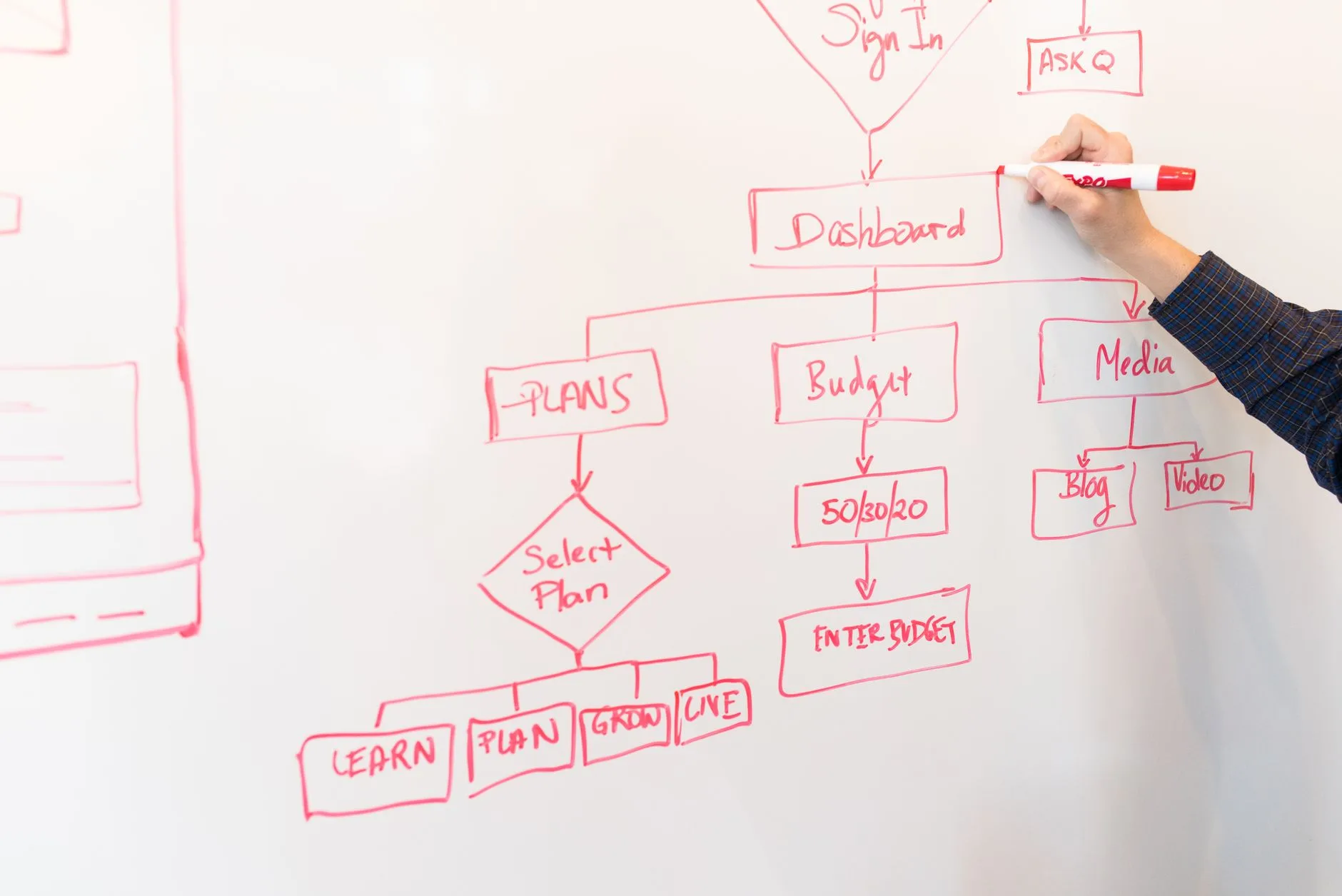
Scaling a publishing operation requires far more than simply increasing the volume of raw text production or investing in faster drafting tools. As content teams grow and multi-channel distribution becomes the baseline, structural inefficiencies inevitably emerge across the lifecycle of every asset. According to research published by HubSpot in 2026, a scalable marketing workflow must make ownership and handoffs explicit across every stage of the lifecycle: briefing, drafting, review, publishing, updating, and archiving. When an organization attempts to scale without addressing these foundational phases, bottlenecks quickly develop. Documenting precisely where a draft stalls can reveal whether the underlying friction stems from a limitation in the software toolset or a fundamental flaw in the team’s internal process design. Without diagnosing these operational speed bumps, simply adding more headcount or adopting advanced platforms will only accelerate chaos rather than output.
The lifecycle begins long before a writer opens a blank document, starting with the briefing phase. In many organizations, briefs are passed informally through chat applications or disparate documents, leading to misaligned expectations regarding target keywords, audience intent, and brand voice. While modern AI engines can significantly assist teams with generating briefs, outlining structural frameworks, drafting metadata, and executing initial quality checks, relying on automation without structured oversight introduces severe vulnerabilities. Specifically, HubSpot warns in its 2026 findings that publishing AI-generated output without rigorous fact-checking and comprehensive human review creates avoidable accuracy and brand-consistency risks. Therefore, a scalable workspace must integrate review gates that ensure every piece of content—whether human-authored or machine-assisted—passes through mandatory verification checkpoints before moving downstream toward publication.
As drafts progress from creation to review, the absence of granular access controls often leads to accidental edits, unauthorized publishing, or bypassed legal and compliance checks. When evaluating content platforms to support a growing publishing cadence, leadership must look beyond surface-level writing features. According to HubSpot’s 2026 platform analysis, teams comparing software solutions should check permissions and approval controls alongside standard creation features, because robust governance mechanisms help ensure that drafts strictly meet brand standards before they ever reach live publishing channels. Enterprise-grade permission settings allow administrators to restrict who can edit, who can approve, and who possesses the final authorization to push content live, thereby mitigating the risk of rogue updates or unvetted claims damaging the brand’s reputation and search engine trust.
Furthermore, operational efficiency relies heavily on consolidating disparate tools into unified environments. Fragmented workflows—where content is planned in a spreadsheet, written in a desktop application, reviewed in an email chain, and published via a separate content management system—foster communication breakdowns and missed deadlines. Conversely, maintaining a single workspace for campaign planning, asset creation, and execution makes publishing dates and milestones completely transparent across all asset types, as highlighted in the HubSpot Knowledge Base 2026 documentation. This centralized visibility becomes exceptionally useful when orchestrating complex marketing initiatives that include coordinated blog posts, automated email sequences, and scheduled social media releases. When all stakeholders operate out of a single source of truth, cross-channel synchronization improves dramatically, ensuring that a product launch or thought-leadership campaign hits the market with a unified voice and timeline.
Beyond initial publication, a truly scalable workspace must account for the later stages of the content lifecycle, namely updating and archiving. Content decays over time, losing its search relevance and factual accuracy if left unmaintained. Establishing clear ownership for periodic content audits prevents outdated articles from lingering on the site and damaging overall domain authority. By implementing automated reminders and review workflows for older assets—similar to the structured handoffs used during the initial briefing stage—content teams can systematically refresh high-value pages with updated data and fresh insights. Integrating these archiving and updating protocols directly into the primary publishing platform ensures that long-term content maintenance is treated as a continuous operational priority rather than an afterthought, ultimately safeguarding organic growth and user experience standards across the entire digital ecosystem.