
Understanding the Fundamentals of Small Business Marketing Automation

For modern small businesses navigating the competitive digital landscape of 2026, marketing automation has evolved from an enterprise-tier luxury into an absolute operational necessity. In previous eras, transitioning from manual outreach to automated systems meant sacrificing authenticity for the sake of scale, often resulting in stiff, impersonal email blasts that alienated potential customers. Today, however, the paradigm has shifted dramatically. Modern marketing automation for small businesses centers on intelligent, structured workflows that handle repetitive administrative and distribution tasks, freeing up valuable hours for founders and lean marketing teams to focus on strategy and creative direction. By integrating advanced technology into daily operations, companies can nurture leads more consistently and respond to consumer inquiries in real time without increasing their headcount.
A foundational element of this modern approach involves redefining how content operations and customer relationship management intersect. As detailed in insights from Amazon Web Services (AWS), the operational landscape has shifted toward embedding generative intelligence directly into existing CRM, email, and analytics workflows. Rather than treating artificial intelligence as a separate, standalone tool, forward-thinking small businesses now utilize these systems for drafting, versioning, formatting, and executing first-pass quality checks on marketing materials. Crucially, this technological evolution does not mean abandoning human oversight. Industry standards dictate that humans retain ultimate editorial control and final approval for all public-facing decisions, ensuring that every piece of messaging aligns strictly with established brand guidelines. For teams looking to scale their output while safeguarding their unique tone, implementing strategies similar to those outlined in the Automate Content Creation Without Losing Brand Voice: 2026 Guide has become essential for maintaining quality control across expanding digital channels.
The rapid adoption of these hybrid workflows is further illustrated by broader industry metrics. According to the HubSpot State of Marketing report as cited by the DEV Community, 64% of marketers utilized artificial intelligence in their content operations in 2025, marking a substantial increase from the 35% recorded in 2023. This explosive growth highlights a clear industry-wide movement toward AI-assisted content production rather than fully unattended, automated publishing. For small business owners, this data provides a reassuring roadmap: technology should act as an efficient drafting assistant rather than a replacement for human creativity and empathy. By striking the right balance, businesses can achieve unprecedented publishing velocity while preserving the nuanced emotional connection that drives loyal customer relationships.
Achieving this balance requires understanding the core components that make up a robust marketing automation ecosystem. Small businesses must carefully evaluate their daily repetitive tasks and map them against structured customer journeys. The following comparison highlights the operational differences between legacy manual methods and contemporary automated workflows:
| Operational Area | Legacy Manual Approach | Modern Automated Approach (2026) |
|---|---|---|
| Email Outreach | Manually typing and sending individual follow-ups to every prospect. | Trigger-based drip campaigns tailored to specific user actions and behaviors. |
| Content Production | Writing every blog post, social caption, and newsletter completely from scratch. | AI-assisted drafting and versioning, followed by rigorous human editorial review. |
| Data & Analytics | Manually compiling spreadsheet reports from isolated marketing channels. | Unified CRM dashboards tracking live engagement metrics and predictive lead scores. |
| Customer Support | Repetitive answering of identical baseline FAQs via live chat or email. | Intelligent routing and automated instant responses for routine inquiries. |
Beyond mere efficiency, the true power of marketing automation lies in its ability to maintain a personalized customer touch at scale. When a small business relies solely on manual outreach, growth inevitably creates bottlenecks; leads fall through the cracks, follow-up emails are delayed by days, and customer segmentation becomes an overwhelming chore. Automated workflows eliminate these vulnerabilities by ensuring that every prospect receives timely, relevant communication based on their unique interactions with your brand. Whether a user downloads a resource guide, abandons an online shopping cart, or engages with a specific social media campaign, automated systems can instantly deliver the next logical piece of content.
Ultimately, mastering the fundamentals of marketing automation allows small businesses to compete effectively against much larger enterprises. By leveraging cloud-based platforms and smart workflow integrations, lean teams can execute sophisticated, multi-channel campaigns that run smoothly around the clock. The key to long-term success in 2026 is viewing automation not as a way to distance yourself from your audience, but rather as a powerful framework that clears away administrative friction, allowing you to invest more authentic, meaningful energy into the human relationships that fuel sustainable business growth.
Example 1: High-Converting Welcome Sequences for New Subscribers
For many small business owners, the standard approach to email list growth has long been a passive, administrative afterthought. A visitor lands on your website, fills out a lead capture form or checks a box at checkout, and is unceremoniously dumped into a massive, monolithic broadcast list. From that point forward, they receive whatever generic newsletter happens to go out next week—whether it aligns with their immediate needs, buying intent, or browsing behavior. This approach is not only inefficient; it actively undermines your brand equity. When a new lead is hot, highly engaged, and looking for immediate value, dropping them into a stagnant one-off newsletter broadcasting cycle creates instant friction and high unsubscribe rates.
A far more effective, practical example of marketing automation is the automated welcome sequence. Instead of treating list acquisition as the end of a funnel, sophisticated modern marketers treat it as the absolute beginning of an automated, highly personalized relationship. The moment a user opts in, a trigger fires in your CRM or email service provider, delivering an instant confirmation email alongside the promised lead magnet, whitepaper, discount code, or digital resource. This immediate delivery satisfies instant gratification, validating the user’s decision to share their personal contact details. However, the true power of a high-converting welcome sequence lies in what happens next: a multi-step drip campaign that systematically guides the subscriber through your brand story, showcases your top-tier social proof, and segments them based on their demonstrated interests rather than making sweeping assumptions.
Understanding the broader industry landscape helps contextualize why this specific workflow serves as the foundational building block for modern digital campaigns. According to a 2025 report by MarketingLTB, about 63% of marketers utilize automation in their email campaigns, illustrating why triggered email remains the most reliable, ubiquitous starting point for scaling marketing workflows without expanding headcount. Because these sequences run automatically in the background 24/7, small business owners can nurture leads, answer frequently asked questions, and overcome common sales objections while they sleep, ensuring every single prospect receives a premier onboarding experience regardless of when they signed up.
To construct a high-converting welcome sequence that moves the needle for your small business, you should map out a strategic, multi-part automated workflow spanning the first seven to ten days of the subscriber lifecycle. Below is a blueprint for a four-part welcome sequence designed to maximize engagement and accelerate the path to purchase:
- Email 1 (Immediate Delivery): Triggered instantly upon subscription. This email delivers the requested asset (e.g., a PDF guide, checklist, or coupon code), sets clear expectations about future email frequency, and introduces your core brand mission in two to three concise paragraphs.
- Email 2 (Day 2 or 3 – Value & Authority): Focuses entirely on education rather than selling. Share a foundational piece of cornerstone content, a case study, or an expert tip that solves a minor pain point for your subscriber, proving your capability and industry authority early on.
- Email 3 (Day 4 or 5 – Social Proof & Community): Highlights customer success stories, reviews, or user-generated content. By showing how people similar to the subscriber have achieved success using your products or services, you build immense trust and neutralize lingering skepticism.
- Email 4 (Day 7 – Soft Pitch & Segmentation): Introduces a low-friction entry-level product, service, or consultation, paired with a preference center link or behavior-based click trigger. This allows you to tag subscribers based on their specific interests for future campaigns.
By leveraging behavioral triggers within these emails—such as tracking which links a subscriber clicks—your marketing automation platform can dynamically update their profile properties. For instance, if a subscriber repeatedly clicks on links related to advanced SEO strategies rather than beginner social media tips, the automation engine can automatically route them down a specialized sub-funnel tailored precisely to advanced search optimization. This dynamic branching eliminates irrelevant messaging, drastically lowers your spam complaint rates, and dramatically increases lifetime customer value. Ultimately, transitioning away from generic broadcast blasts in favor of an intelligent, segmented welcome sequence transforms your email list from a passive directory into a predictable, revenue-generating engine for your small business growth.
Example 2: Intelligent Lead-Nurture Workflows and Scoring
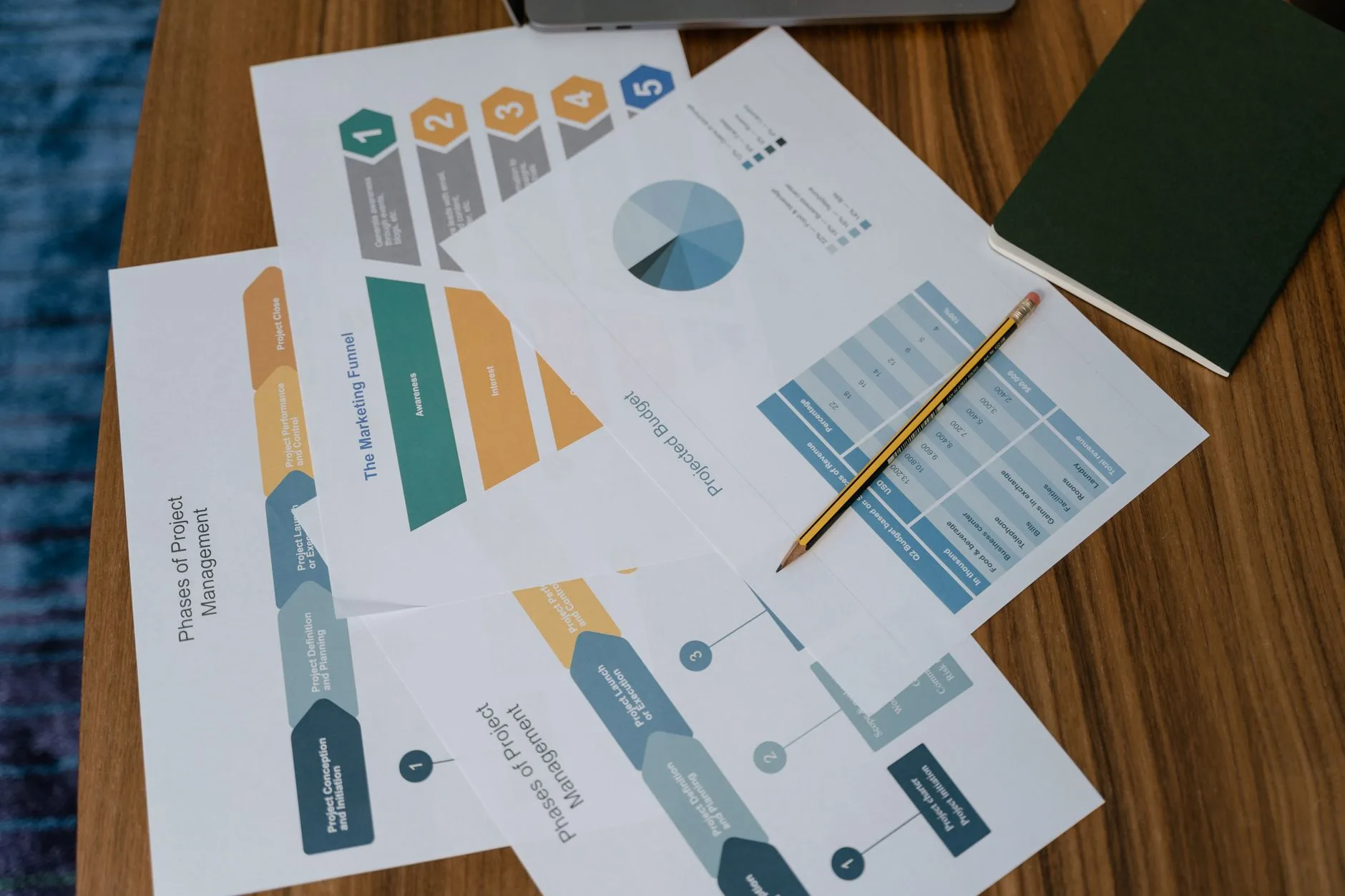
For small businesses operating with lean teams, managing incoming prospects manually can quickly become an overwhelming bottleneck. When potential customers visit your website, download resources, and browse product pages, relying on human oversight to track every interaction almost always results in missed opportunities and delayed follow-ups. This is where intelligent lead-nurture workflows and scoring systems transform modern marketing operations. Instead of treating every subscriber the same, automated marketing platforms allow companies to dynamically organize their audiences based on real-time behavior, ensuring that the right message reaches the right person at precisely the right moment.
At its core, a lead-nurture workflow operates by automatically tagging contacts according to the specific content they consume, the forms they fill out, and the individual web pages they visit. For instance, if a visitor downloads an introductory guide on small business budgeting, the automation software immediately applies a relevant tag to their profile and initiates a targeted email sequence focused on financial optimization. Similarly, if a different visitor spends significant time reviewing enterprise-tier pricing pages or case studies, the system updates their behavioral profile accordingly. This level of dynamic segmentation ensures that your communication remains hyper-relevant, moving away from generic broadcast emails and toward personalized educational journeys that build genuine trust and brand authority.
To implement this effectively without overwhelming internal resources, growing organizations often look to established industry frameworks for guidance. According to the 2025 AWS guide on artificial intelligence and automation strategies for small and medium-sized businesses, foundational starter applications such as basic personalization, audience segmentation, content drafting, and lead scoring should be prioritized over overly complex, fully autonomous systems right out of the gate. By building these foundational elements incrementally, small business owners can master the mechanics of behavioral tracking without requiring a dedicated data science team or expensive enterprise software infrastructure. You can review the complete framework and risk management approaches in the AWS guide on AI in marketing strategies.
As these contacts interact with your website and email sequences, lead scoring adds a crucial quantitative layer to the nurturing process. Lead scoring assigns numerical values to specific actions, allowing your sales team to instantly differentiate between casual browsers and serious buyers. For example, opening a weekly newsletter might add two points to a contact’s score, whereas downloading a product specification sheet might add fifteen points, and visiting the contact-us or booking page could add thirty points. This transparent accumulation of points creates a clear threshold. When a lead crosses a predetermined score—indicating high intent—the system automatically triggers a high-priority alert to the sales team, providing them with the full context of the prospect’s journey before they make a phone call or send an introductory email.
Key Components of an Intelligent Nurture and Scoring Setup
- Behavioral Tagging: Automatically categorizes subscribers based on downloaded assets, webinar registrations, and visited URL categories.
- Dynamic Content Matching: Delivers tailored follow-up emails that address the specific pain points revealed by the user’s recent browsing history.
- Automated Score Calculation: Assigns positive and negative point values to actions such as email engagement, form submissions, and page navigation.
- Sales Team Alerts: Sends instant notifications via email or CRM integration when a lead achieves a high-intent score threshold.
Integrating these automated workflows directly translates into shorter sales cycles and higher conversion rates. When a sales representative receives an alert that a warm lead has just reviewed pricing options after reading a case study, they are no longer entering a conversation cold. They can tailor their outreach specifically to address the exact topics the prospect was researching minutes prior. This seamless handoff between automated marketing nurture sequences and human sales outreach eliminates the friction that typically causes potential buyers to drop out of the funnel. By letting software handle the repetitive tracking and educational drip campaigns, small business teams can focus their valuable time exclusively on closing high-value deals with informed, motivated prospects.
Example 3: Streamlining Small Business Content Automation
Small business owners frequently face a persistent bottleneck: the overwhelming demand for a consistent multi-channel digital presence weighed against limited hours in the day. Producing a single high-quality piece of thought leadership—such as an in-depth blog post or a comprehensive case study—often consumes an entire workday. Once that article is published, the marketing cycle usually stalls because the team lacks the bandwidth to manually chop it up, reformat it, and distribute it across various social platforms, email newsletters, and video channels. This is where advanced marketing automation steps in to multiply your creative output without requiring a massive expansion of your headcount or marketing budget. By integrating modern platforms into your daily workflows, you can completely transform how your organization handles content distribution, ensuring that every drop of value is wrung from your core marketing assets.
The mechanics of efficient small business content automation begin with a single source of truth—typically an approved, high-value article, a whitepaper, or a newly documented customer insight. Instead of treating this asset as a dead end, automated workflows can ingest the core text and systematically deconstruct it. Leveraging sophisticated orchestration engines and tools outlined in resources like the Best Content Automation Tools to Scale Operations in 2026, marketing teams can set up triggers that spin off multiple secondary assets instantly. For instance, when a new blog post is tagged as “approved” in your Content Management System (CMS), an automation sequence can extract the primary thesis, summarize the key takeaways into draft email copy for your weekly newsletter, generate three distinct social media posts tailored for professional networks, and even outline a punchy 60-second short video script for platforms like YouTube Shorts or TikTok. This systematic method echoes strategies detailed in broader frameworks such as Amazon’s guide on AI marketing strategies for SMB growth and risk management, which emphasizes scaling operations efficiently while safeguarding against operational risks.
To fully appreciate the multi-channel transformation power of this approach, consider how a single customer insight or cornerstone article breaks down across different digital touchpoints:
- Email Marketing Copy: Automatically pulls the introduction and the most compelling statistic or quote, formatting it into a conversational broadcast template ready for subscriber lists.
- Social Media Snippets: Generates threaded posts, engaging questions, and micro-tips pulled directly from the article subheadings, complete with relevant hashtags and call-to-action hooks.
- Short-Form Video Outlines: Condenses the narrative arc of the article into a rapid-fire script designed for vertical video formats, highlighting a clear problem, solution, and takeaway.
Implementing this level of automation does not mean giving up editorial control; rather, it requires inserting critical checkpoints to maintain brand integrity. No matter how advanced your automation stack becomes, deploying raw, unvetted machine-generated output directly to live channels is a recipe for brand dilution, factual errors, or awkward phrasing that alienates your audience. According to guidelines from Content Marketing Institute studies, maintaining a strict human-in-the-loop validation process remains the single most important factor in distinguishing high-performing content programs from spammy automated feeds. Therefore, every piece of draft email copy, every social media post, and every short video script generated by your automated workflows must route through a designated human review queue.
During this mandatory review phase, a human editor or subject matter expert acts as the final gatekeeper. They fact-check any claims, ensure the tone aligns perfectly with the brand’s unique voice, and polish the rough edges of the text to inject authentic human emotion and perspective. This hybrid model—where artificial intelligence and automation handle the heavy lifting of structural drafting and formatting, while human creators provide strategic oversight and final approval—empowers small businesses to scale their output exponentially. By treating automation as an efficient drafting assistant rather than an autonomous publisher, your team can maintain rigorous quality standards while achieving a dominant, omnipresent digital footprint across all relevant customer touchpoints.
Example 4: Automated Abandoned-Cart and Recovery Sequences
For small business owners operating e-commerce storefronts, the battle for conversions does not end when a user adds an item to their digital shopping basket. In fact, industry data consistently demonstrates that the vast majority of online shoppers abandon their carts before ever reaching the final confirmation page. According to a comprehensive global benchmark study published by the Baymard Institute in 2024, the average shopping cart abandonment rate across all tracked e-commerce sectors stands at a staggering 70.19 percent. This means that nearly three out of every ten potential buyers who show clear intent to purchase by selecting products and proceeding to the checkout phase ultimately leave empty-handed. For a growing small business, recovering even a modest fraction of these abandoned transactions can dramatically shift profit margins without requiring a proportionate increase in top-of-funnel advertising spend. This is where implementing a sophisticated, automated abandoned-cart and recovery sequence becomes one of the most financially impactful marketing strategies available today.
An automated abandoned-cart workflow is triggered the exact moment a known or logged-in user—or an anonymous visitor whose email address was captured earlier in the session—leaves the checkout process prematurely. Instead of requiring manual follow-up, which is entirely impractical at scale, modern marketing automation platforms track user behavior and initiate timed behavioral email sequences. The primary objective of these workflows is to gently remind the shopper of the exact items they left behind, alleviate any last-minute friction or hesitation, and provide a direct, frictionless link back to their preserved cart. When structured correctly, these automated recovery messages act as helpful customer service touchpoints rather than aggressive sales pitches.
To maximize recovery rates without damaging brand equity, successful small businesses typically deploy a multi-stage automated sequence rather than relying on a single, isolated email reminder. A proven three-tier framework often yields the highest return on investment:
- The Gentle Nudge (1 hour post-abandonment): Sent while the shopping experience is still fresh in the consumer’s mind, this initial message focuses primarily on customer service. It simply asks if the shopper experienced technical difficulties, displays the exact items left in the cart, and provides a clear call-to-action button to complete the transaction.
- The Value-Add or Social Proof Reminder (24 hours post-abandonment): If the first email goes unanswered, the second touchpoint introduces persuasive elements such as customer reviews, star ratings for the abandoned products, or guarantees regarding shipping and return policies. According to trends highlighted in a 2025 analysis by Email Marketing Automation Trends, embedding dynamic product recommendations and trust signals significantly boosts conversion lifts during this 24-hour window.
- The Urgency or Incentive Close (48 to 72 hours post-abandonment): The final message in the sequence introduces a mild incentive, such as a time-sensitive free shipping offer or a small discount code, to motivate price-sensitive buyers over the finish line.
However, executing these automated sequences requires rigorous technical precision, particularly regarding purchase status suppression rules. A catastrophic mistake that undermines the professionalism of many small businesses is sending an automated “complete your purchase” email to a customer who has already finalized their transaction moments earlier. This not only creates immense customer confusion and frustration—leading bewildered buyers to wonder if they were double-charged or if their order failed—but it also wastes valuable promotional incentives on individuals who were already fully converted.
To prevent this, every robust abandoned-cart workflow must incorporate strict real-time data suppression rules based on live purchase status synchronization. The moment a customer completes a checkout event and their order status updates to “Paid” or “Processing” within the e-commerce database, the marketing automation engine must instantly evaluate this flag and remove the customer from the active cart-recovery queue. Advanced marketing platforms achieve this by utilizing webhook integrations and dynamic list exclusions, ensuring that automated triggers listen continuously for purchase completion events. By coupling timely behavioral reminders with infallible purchase suppression rules, small businesses can reclaim lost revenue seamlessly, protecting customer trust while optimizing every single visit to their online store.
Example 5: Post-Purchase and Service-Business Workflows

When small business owners map out their marketing automation strategies, the vast majority of their creative energy and technical setup goes into top-of-funnel acquisition: lead magnets, welcome sequences, and abandoned cart recovery. However, the true lifetime value of a customer is forged after the transaction or appointment takes place. Neglecting the post-purchase experience or the service lifecycle is one of the most costly blind spots in modern digital marketing. Implementing automated workflows for post-purchase nurturing and service-oriented bookings transforms a one-time buyer into a loyal, recurring brand advocate. According to data compiled in a 44 Email Marketing Strategy Statistics for 2025 | Email report, retention-focused automated touchpoints routinely yield significantly higher open and conversion rates than generic broadcast emails, proving that timing and context are everything in consumer communication.
For product-based businesses, a robust post-purchase workflow begins the exact moment a transaction is completed. The first critical email in this automated sequence should deliver immediate value by providing clear, concise setup instructions, onboarding tutorials, or essential product care tips. If a customer purchases a complex piece of equipment or a specialty kitchen appliance, receiving a step-by-step PDF guide or a link to an instructional video reduces buyer remorse, lowers support ticket volume, and prevents product returns. Once an appropriate interval has passed—calculated based on the average time it takes for a customer to actually receive and experience the item—the automation engine triggers a feedback request. Asking for a review or a customer satisfaction score too early feels tone-deaf if the package is still in transit, whereas waiting too long causes the initial excitement of the purchase to fade entirely.
Beyond setup and feedback, intelligent post-purchase workflows can dynamically recommend related products only when they genuinely fit the original purchase. For instance, if a customer buys a camera body, the automation platform should wait two weeks before recommending compatible lenses, a protective case, or a memory card—rather than spamming them with unrelated inventory the very next day. This contextual relevance builds deep trust. According to ongoing consumer research highlights published by marketing analytics firms, personalized cross-sell recommendations delivered via automated email sequences outperform untargeted promotional blasts by wide margins because they address a logical next step in the consumer’s journey. By letting software handle this timing, small business owners can generate consistent repeat sales on autopilot without appearing aggressive or pushy.
For service-based businesses—such as consultants, agencies, salons, clinics, and local contractors—the workflow shifts from physical product care to appointment management and reputation building. A service-business workflow typically initiates the moment a booking is confirmed, dispatching an instant confirmation email containing calendar integration links, location details, or virtual meeting URLs. To combat the persistent and costly problem of no-shows, the automation system should then be programmed to send a series of timely reminders: perhaps a confirmation prompt forty-eight hours in advance, followed by a final text message or email notification two hours before the scheduled session. These simple, automated nudges drastically reduce scheduling friction and respect the busy calendars of both the client and the service provider.
The most lucrative component of the service workflow occurs immediately after the appointment has concluded. Once the business management software or CRM marks the appointment status as “complete,” a trigger fires to launch a follow-up review request. Timing is exceptionally delicate here: the interaction must feel fresh enough that the client remembers the quality of the service vividly, yet spaced out enough to feel natural. When a client clicks the link and leaves a positive five-star review on Google or Yelp, advanced marketing automation platforms can even tag that contact as a VIP advocate, automatically enrolling them into a separate referral-reward sequence. Conversely, if the feedback score is low, the workflow can route the notification directly to a manager or business owner for immediate service recovery, bypassing public channels entirely and protecting the brand’s online reputation.
By weaving these post-purchase and service-business workflows into your broader marketing technology stack, you create a seamless loop of customer acquisition, satisfaction, retention, and advocacy. Small business owners often worry that automation will make their business feel cold and robotic to their clientele. In practice, however, well-designed workflows do the exact opposite: they ensure that every single customer receives timely attention, helpful guidance, and genuine appreciation without requiring the owner to manually track every calendar date, shipment tracking number, or follow-up email.
Best Practices, Common Mistakes, and Measuring Real ROI
Implementing automated marketing workflows requires a strategic, disciplined approach to ensure your technology stack drives genuine financial growth rather than merely generating background digital noise. Marketing workflows work best when each has a defined trigger, audience, action, exit condition, and measurable goal. Before launching any sequence, digital marketers must rigorously review suppression rules and test the full customer path to avoid sending duplicate, contradictory, or mistimed messages that alienate prospective buyers. For small business owners looking to scale operations, adopting strategic frameworks recommended by industry leaders can prevent costly missteps. For instance, the 2025 AWS guide on AI marketing for small and medium-sized businesses recommends starting with a high-volume, low-risk use case, piloting it for 30–90 days, and comparing performance with a baseline where possible. This methodical pilot period allows your team to identify friction points, refine audience segmentation, and ensure that automated assets—whether deployed via email, SMS, or comprehensive campaigns like those outlined in insights on Automated Content Marketing: Scale Organic Growth in 2026—align directly with overarching commercial objectives.
Despite the sophisticated tooling available today, many organizations stumble during execution due to persistent misconceptions regarding performance indicators. A common automation mistake is treating opens or clicks as proof of business impact. While high email open rates or strong click-through percentages indicate engaging subject lines and appealing creative assets, they do not inherently correlate with revenue generation or brand loyalty. Vanity metrics can easily mask underlying conversion leaks within your sales funnel. To evaluate true commercial success, modern marketing teams must measure downstream outcomes such as qualified leads, completed purchases, repeat bookings, or unsubscribe rates. By focusing heavily on these bottom-line metrics, businesses can discern whether their automation sequences are actively shortening sales cycles and boosting customer lifetime value, or simply training subscribers to ignore their messaging over time.
To transition your automated architecture away from vanity metrics and toward quantifiable revenue, establish a rigorous structural blueprint for every campaign. Every single workflow must incorporate five non-negotiable components:
- Trigger: The precise user action, temporal milestone, or behavioral shift that initiates the sequence (e.g., abandoning a digital shopping cart or downloading a specific resource).
- Audience: The exact demographic, psychographic, or behavioral segment targeted by the workflow, ensuring messages remain hyper-relevant.
- Action: The automated delivery of content, offers, or internal notifications designed to guide the recipient toward the next logical step.
- Exit Condition: The specific behavioral boundary that immediately removes a contact from the sequence, such as completing a purchase or unsubscribing, preventing tone-deaf follow-ups.
- Measurable Goal: The primary Key Performance Indicator (KPI) assigned to the workflow, aligning directly with broader financial and operational targets.
Furthermore, integrating robust suppression rules is critical for maintaining sender reputation and protecting user experience. If a customer purchases a product through an ad campaign, they should instantly drop out of your primary promotional automation series and transition seamlessly into your onboarding or post-purchase fulfillment sequence. Failing to implement these clean-up parameters results in overlapping communications that frustrate customers, damage brand perception, and cause sharp spikes in spam complaints.
When scaling your automation infrastructure, small businesses should also adopt structured risk management frameworks. According to the 2025 AWS guide on AI marketing for small and medium-sized businesses, organizations that pilot new workflows over a controlled 30–90 day window—while maintaining a strict pre-automation performance baseline—are significantly better positioned to evaluate genuine cost-per-acquisition changes. This comparative analysis removes seasonal noise and allows marketing managers to isolate the exact financial lift provided by automated triggers versus organic traffic.
Ultimately, achieving a positive return on investment from marketing automation demands continuous optimization, clean data hygiene, and a refusal to rely on surface-level metrics. By anchoring your workflows in clear behavioral triggers, establishing strict exit criteria, and obsessively tracking downstream outcomes like completed transactions and qualified conversions, you transform automated messaging from a speculative experiment into a predictable, high-performing revenue engine for your small business.