
The Current State of Search: Why SEO Isn’t Dead in 2026
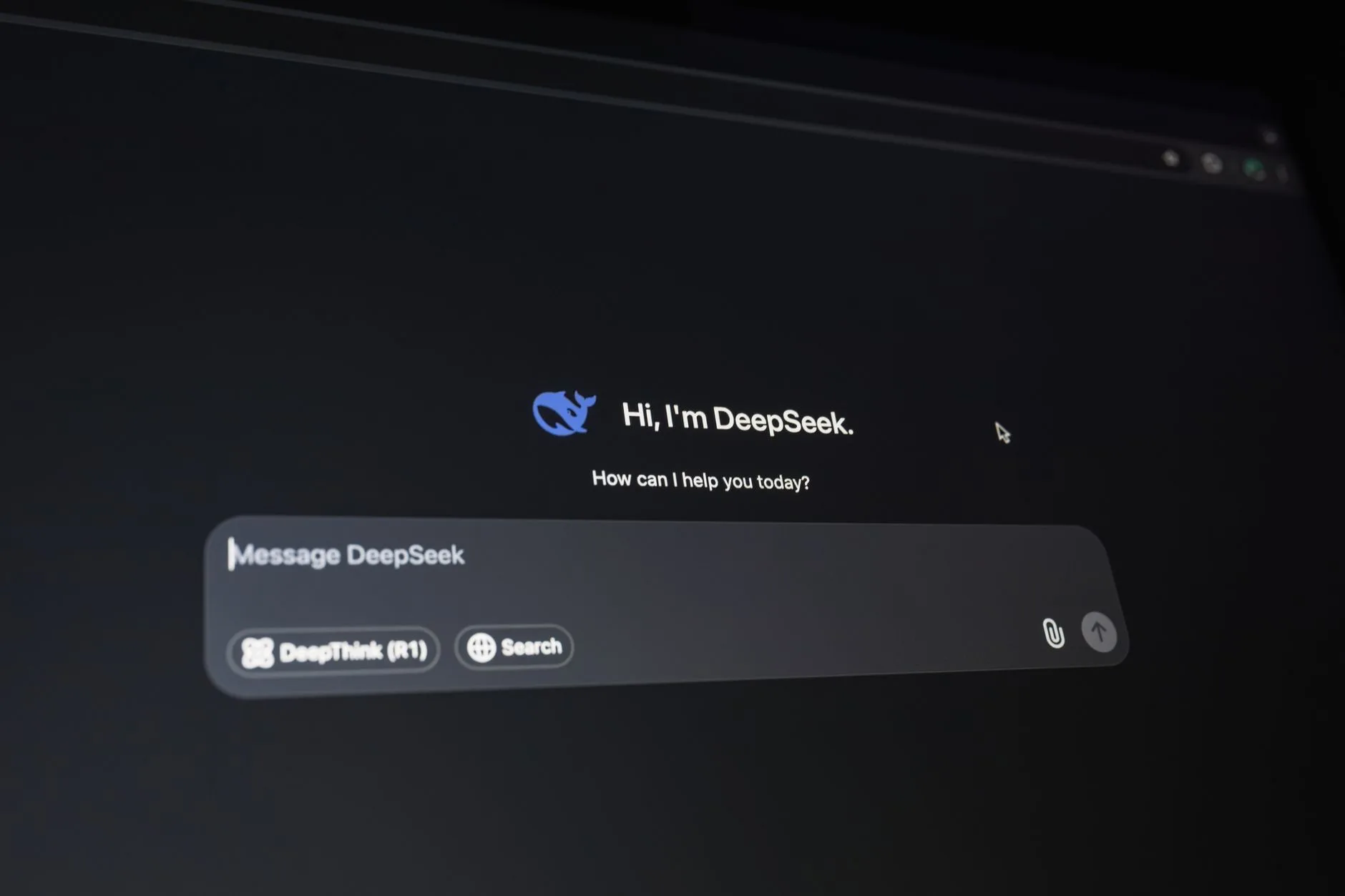
The panic surrounding the death of search engine optimization has become an annual tradition, but the anxiety gripping digital marketers today feels different. As we navigate the digital landscape, the core question haunting boardrooms and content teams is whether SEO is dead now with AI. The short answer is a resounding no, but the caveat is equally significant: the traditional, traffic-first playbook that dominated the industry for the past decade is effectively obsolete. As explored in analyses like TechTarget’s enterprise software feature on generative AI in search, the discipline is not disappearing; rather, it is undergoing a profound structural metamorphosis.
To understand why organic optimization remains vital, one must examine how search behavior and engine results pages (SERPs) have transformed over the last one to two years. Generative AI engines, conversational search assistants, and integrated AI Overviews have fundamentally altered the mechanics of user intent. No longer are search engines merely indexes pointing users toward external destinations via blue links. Instead, they have evolved into direct answer engines. This evolution has triggered a massive surge in zero-click experiences, where users acquire the information they need directly on the results page without ever visiting a publisher’s website.
The empirical evidence regarding zero-click searches highlights the sheer scale of this transformation. According to industry data highlighted during SEO Week 2025, AI-driven answer blocks and conversational summaries now appear for roughly 21 percent of all tracked keywords, a figure that skyrockets to a staggering 99.9 percent for purely informational-intent keywords. For website owners whose primary monetization model relied on capturing high-volume, top-of-funnel informational queries through basic keyword targeting, this shift has felt catastrophic. Traffic metrics have plummeted for sites that merely aggregated basic facts, defined industry terms, or answered rudimentary questions that large language models can now synthesize in a fraction of a second.
Yet, confusing a decline in legacy traffic models with the total death of search is a critical strategic error. Search engines remain the primary gateway to the modern internet, but the nature of the destination has changed. Users are still asking questions, expressing commercial intent, and seeking out authoritative solutions, but they are doing so within ecosystems that prioritize synthesis, multi-step reasoning, and verified trust. If you are trying to parse the daily onslaught of industry panic, it is helpful to review strategies on how to read SEO news without panic in 2026 to separate genuine algorithmic shifts from sensationalist clickbait.
The transition from a pure traffic-first strategy to a value-first strategy requires a complete reevaluation of key performance indicators. Marketers must move away from vanity metrics like raw organic sessions and instead focus on metrics that align with modern AI-mediated discovery:
- Brand Entity Authority: Measuring how often your brand is cited, recommended, or referenced within large language model training data and live retrieval-augmented generation (RAG) systems.
- Conversion-Oriented Organic Visibility: Tracking impressions and clicks for high-intent transactional and commercial queries where users require deep expertise, proprietary data, or hands-on tools rather than summarized definitions.
- Referral Quality: Evaluating the downstream engagement and conversion rates of visitors who bypass the zero-click summary because they specifically need the granular, primary-source insights your content provides.
Ultimately, search is transforming from a game of volume into a game of authority and unique utility. AI search engines do not create new knowledge; they scrape, synthesize, and repackage existing web content. Consequently, the websites that survive and thrive in 2026 are those that provide original research, proprietary datasets, expert commentary, and interactive experiences that AI cannot replicate. SEO is not dead—it has simply grown up, forcing practitioners to look past easy traffic hacks and focus on building genuine, defensible digital authority.
How Generative AI and AI Overviews Changed Search Behavior
The landscape of digital discovery has undergone a profound structural transformation with the widespread adoption of conversational AI models, standalone answer engines like Perplexity, and Google’s integrated AI Overviews. For decades, the traditional search paradigm relied on a predictable user journey: a user typed a query into a search bar, evaluated a list of ten blue links, and manually distributed their attention across multiple third-party websites to piece together an answer. Today, generative search engines short-circuit this behavior by synthesizing direct, multi-source answers right at the top of the search engine results page (SERP). This shift has fundamentally altered how humans interact with information, demanding a complete re-evaluation of organic growth strategies for modern publishers and brands, as noted in discussions surrounding SEO in the Age of AI: What’s Changed Since SEO Week 2025.
This evolution in search behavior disproportionately impacts informational queries, which represent the vast majority of top-of-funnel web traffic. When a user asks a conceptual question, seeks historical context, or looks for a simple definition, generative engines now provide an exhaustive, synthesized summary instantly. According to findings published by GeoToolbox.ai in their 2026 research report, commodity informational content is currently the most at risk of experiencing severe traffic erosion because the AI-generated snippet completely satisfies the user’s immediate intent without requiring them to visit an external website. Users no longer need to click through to read a three-paragraph introduction or scroll past display advertisements just to find out what year an event occurred or how a basic biochemical process functions. As a result, informational publishers who built their business models on capturing high-volume, low-intent traffic are seeing their impressions and click-through rates decline precipitously.
However, the impact of generative AI is far from uniform across all search intents. While top-of-funnel informational queries bear the brunt of zero-click SERP features, bottom-of-funnel, navigational, local, and high-trust commercial queries demonstrate remarkable resilience. According to the same GeoToolbox.ai 2026 study, local and commercial intent remain robust because users still actively click when they are ready to act, compare pricing, evaluate product specifications, or make a purchase. When a consumer searches for “best enterprise CRM software with custom reporting” or “emergency plumber open near me,” they are not looking for a superficial summary; they are looking to execute a transactional or navigational decision. They need to visit vendor websites, inspect pricing tables, read verified customer reviews, and interact with live chat support or booking widgets. Consequently, bottom-of-funnel pages continue to earn attention and drive high-converting traffic, proving that intent dictates survival in the age of AI.
To better understand how different query types fare in the era of generative search engines, consider the following breakdown of user intent vulnerability:
| Search Intent Type | Primary User Goal | Vulnerability to AI Summaries | Typical SERP Action |
|---|---|---|---|
| Informational | Learn, define, or understand a concept | High | Zero-click answer read directly in the AI Overview; traffic shifts downward or disappears. |
| Navigational | Find a specific website or brand login | Low | Direct click to the official brand property or portal; user bypasses aggregators. |
| Commercial | Compare products, features, or pricing | Medium | Users read the AI comparison, then click through to deep-dive review sites and vendor pages. |
| Transactional | Execute a purchase, booking, or download | Low | High click-through rate to checkout pages, product catalogs, and conversion forms. |
This divergence in user behavior forces a strategic pivot away from chasing hollow traffic volume toward capturing high-intent, high-value engagements. When search engines answer informational queries autonomously, traditional keyword metrics lose their reliability. Relying solely on estimated search volume can lead digital marketers astray, as a high-volume keyword might now yield a ninety percent zero-click rate if it triggers an exhaustive AI Overview. Modern optimization requires a granular focus on queries where human judgment, deep expertise, primary research, or interactive tools are strictly required.
Furthermore, the rise of conversational models like ChatGPT and Perplexity has habituated users to expect dialogue-driven, iterative search experiences. Users no longer frame searches as fragmented keyword strings like “best running shoes under 100 dollars”; instead, they input complex, multi-layered prompts such as “Compare running shoes for flat feet with maximum cushioning that are durable for marathon training under 120 dollars.” Generative engines excel at parsing these complex constraints and delivering a unified synthesis. If a brand’s website only targets rigid keyword variations without offering deep contextual depth or unique data points that the AI must cite, it risks being entirely omitted from both the summary text and the underlying citation links.
Ultimately, understanding these shifts in search behavior is the first step toward building a resilient organic strategy. Surviving the generative AI transition requires moving beyond superficial content creation and aligning digital assets with the specific moments in the buyer journey where human interaction, transactional capability, and trusted brand authority cannot be replaced by a machine-generated summary.
Redefining Your SEO Content Strategy for the AI Era

The proliferation of generative search engines, conversational AI assistants, and zero-click SERP features has fundamentally broken the traditional playbook of stuffing keywords into a 1,000-word blog post and waiting for rankings to climb. As search engines evolve into answer engines, modern organic visibility requires an entirely different operational framework. Moving beyond simple keyword targeting is no longer just a futuristic recommendation; it is an immediate operational necessity. To future-proof your digital presence, your organic content framework must pivot toward comprehensive entity coverage, robust brand authority, sophisticated topic mapping, and a deep understanding of complex, cross-platform user intent.
Building this modern framework starts with a foundational shift in how you plan and architect your digital assets. According to insights shared during SEO in the Age of AI: What’s Changed Since SEO Week 2025, the biggest opportunity for digital marketers lies in transitioning away from pure keyword volume chasing and moving directly toward AI visibility, multi-channel brand authority, and comprehensive query coverage. When searchers ask complex, conversational questions, AI models do not look for exact-match keywords; instead, they parse knowledge graphs to find entities, relationships, and established authoritative sources that comprehensively answer the underlying problem.
To operationalize this shift, content teams must embrace a hybrid approach that marries machine efficiency with human expertise. For strategic 2026 planning, the strongest content strategy combines classic SEO fundamentals with advanced AI-era tactics, such as deep entity coverage, aggressive brand building, meticulous internal linking architectures, and regular content refreshes, as noted by Surfer SEO in their 2026 industry outlook. Rather than writing arbitrary articles, you must use artificial intelligence tools to execute sophisticated keyword clustering and macro-level topic mapping. However, algorithms alone cannot inject true editorial value, unique perspectives, or genuine search intent alignment. This is where human judgment must take the steering wheel to elevate the content above generic AI outputs.
A practical way to execute this is by developing rigorous pillar-and-cluster architectures that exhaustively cover a subject from every conceivable angle. Media Junction’s 2026 methodology specifically recommends leveraging AI tools to build these comprehensive pillar-and-cluster structures while simultaneously auditing your existing site architecture to identify critical content gaps. By mapping out every subtopic, related question, and associated entity connected to your core business offerings, you create a semantic web of information. When search engine crawlers and large language models evaluate your domain, they do not see isolated blog posts; they recognize an interconnected, authoritative knowledge base on that specific subject matter.
Furthermore, optimizing for the modern AI era means recognizing that discovery no longer happens exclusively on traditional search engine results pages. Users look for answers across video platforms, social networks, specialized forums, and conversational chat interfaces. Consequently, your content strategy must account for complex, cross-platform user intent. This requires shifting your measurement framework as well. As highlighted by SEO Week’s 2025 industry assessments, brand equity and presence across alternative discovery channels are now far more critical than ever, necessitating the tracking of holistic brand visibility metrics rather than relying solely on traditional organic traffic clicks and vanity rankings.
To help structure this transition within your marketing organization, consider implementing the following core pillars for your modern content operations:
- Entity-First Mapping: Stop thinking in isolated keywords. Map out the primary entities (people, places, concepts, and things) associated with your niche and ensure your content explicitly defines the relationships between them.
- Semantic Exhaustiveness: Cover topics so thoroughly that no matter how a user phrases their follow-up prompt in a conversational interface, your content contains the contextual sub-answers.
- Hybrid Workflow Integration: Use AI for data-heavy tasks like clustering keywords, finding content gaps, and drafting structural outlines, but reserve final execution for subject matter experts who can add original research, proprietary data, and compelling brand voice.
- Cross-Platform Adaptation: Repurpose your core insights into formats that feed alternative discovery engines, ensuring your brand is cited and referenced wherever modern audiences seek information.
For those looking to expand on foundational execution principles while adopting these advanced methodologies, reviewing established frameworks on Building a Proven SEO Content Strategy for Long-Term Traffic can help balance evergreen organic best practices with these emerging AI-driven realities. Ultimately, the brands that thrive in this new ecosystem will be those that treat their website not as a collection of keyword-targeted landing pages, but as an undeniable, highly trusted authority node within their industry’s broader knowledge graph.
Balancing AI Content Creation with Originality and E-E-A-T
The integration of artificial intelligence into modern digital marketing workflows has fundamentally transformed how teams approach organic search visibility. Rather than operating as a wholesale replacement for human strategists, generative tools have firmly established themselves as powerful workflow accelerators. According to a strategic industry analysis by Media Junction (2026), AI functions most effectively as a collaborative helper designed to streamline early-stage research, structure detailed content outlines, generate initial first drafts, and assist with on-page optimization. However, this technological leap does not eliminate the foundational requirements of matching search intent, maintaining stringent editorial standards, and injecting genuine human creativity into the publishing pipeline.
The era of cheap, automated mass production of low-effort text is officially over. As large language models democratize the ability to output millions of words in seconds, search engine result pages have become saturated with recycled, generic phrasing. This commoditization has effectively ended the old arbitrage playbook where site owners could rank simply by publishing high volumes of superficial articles. As Goodie (2026) points out, the traditional traffic arbitrage is entirely over, and the rapid proliferation of automated tools is permanently shifting what modern search engine optimization must optimize for. When every competitor can instantly generate a baseline article on any given topic, generic scale content loses its competitive edge, forcing brands to pivot toward distinct differentiation.
Concurrently, search engines have adapted their evaluation frameworks to heavily penalize mediocrity while rewarding genuine expertise. Google has systematically evolved its algorithm by folding the signals previously isolated within separate Helpful Content Updates directly into its core algorithm, ensuring that content quality is now evaluated as a continuous, permanent baseline expectation rather than a standalone optimization tactic (Seeders, 2025). This integration means that low-value, derivative text cannot hide behind technical optimizations or keyword density tricks. Algorithms are increasingly adept at detecting patterns of superficial phrasing, recognizing when an article lacks firsthand experience, empirical backing, or a cohesive point of view.
To survive and thrive in this hyper-competitive environment, digital creators must double down on Google’s E-E-A-T framework—Experience, Expertise, Authoritativeness, and Trustworthiness. Because AI models are trained on historical data and generalized patterns, they inherently struggle to produce genuinely novel insights, proprietary research, or live case studies. Therefore, successful organic strategies rely on a hybrid approach where machines handle the heavy lifting of administrative drafting, while human specialists supply the vital ingredients that algorithms reward:
- Proprietary Data and Case Studies: Incorporating first-party statistics, customer surveys, and internal experiments that cannot be replicated or scraped by competing automated systems.
- Distinct Points of View: Sharing contrarian industry perspectives, specialized methodologies, and hard-earned lessons from professional practice rather than offering safe, consensus-driven summaries.
- Rigorous Editorial Review: Subjecting every machine-assisted draft to deep human fact-checking, brand alignment, and nuance enhancement to eliminate generic filler and hallucinations.
- Firsthand Experience: Demonstrating real-world application of products, services, or concepts through unscripted photos, video embeds, and personal practitioner narratives.
Failing to balance technological efficiency with rigorous editorial oversight risks triggering algorithmic suppression. When exploring the boundaries of automated generation, marketers often investigate whether platforms like ChatGPT can fully manage an organic strategy, only to discover that unmonitored execution rapidly degrades brand authority and search performance. The core limitation lies in the fact that algorithms prioritize utility and trustworthiness, both of which stem from accountability and unique human perspective.
Ultimately, future-proofing an organic strategy requires a mindset shift from volume generation to value creation. By utilizing advanced software to accelerate routine tasks like keyword clustering, meta description generation, and structural outlining, content teams free up precious hours to focus on what truly moves the needle: interviewing industry experts, running original tests, and crafting compelling narratives. When you combine the speed of modern automation with the irreplaceable depth of human expertise, you create a sustainable publishing engine that satisfies both sophisticated ranking algorithms and discerning human readers.
Multi-Platform Discoverability: Beyond the Traditional Blue Links

The fundamental architecture of how humans seek and discover information online has undergone a structural transformation. For decades, standard search engine optimization revolved around a singular, dominant objective: securing one of the coveted top ten blue links on a traditional search engine results page. Today, that paradigm is obsolete. Modern search behavior is intensely fragmented, spanning traditional search engines, dedicated AI assistants, specialized e-commerce marketplaces, and conversational interfaces that synthesize answers on the fly. As noted during industry discussions at SEO Week, SEO is rapidly shifting from single-channel optimization to cross-platform discoverability. Users no longer just type short-tail keywords into a desktop search box; instead, they query generative chat models, ask voice assistants complex multi-layered questions, and browse native product recommendations inside interactive shopping platforms.
This dramatic shift means that digital visibility can no longer be achieved by targeting a single algorithm. Modern search ecosystems are decentralized. For instance, platforms like ChatGPT now integrate direct shopping capabilities, while Google continuously rolls out advanced e-commerce features directly inside its conversational AI modes. Consequently, brands that restrict their organic strategy to classic website ranking factors risk becoming entirely invisible to vast segments of their target audience. To future-proof an organic strategy, marketers must adopt an omnimedia approach that ensures their content, products, and brand entities are discoverable wherever a user happens to be looking—whether that is an LLM context window, a mobile feed, or a voice-activated smart speaker.
Achieving this cross-platform presence requires a deliberate pivot toward multimodal search optimization. Search engines and AI systems are increasingly multimodal, meaning they process and synthesize text, high-resolution imagery, audio, and video simultaneously. When a user asks a conversational interface a complex query, the underlying model does not simply pull a text snippet from a database; it often parses visual elements, product photos, infographics, and structured data tables to formulate a comprehensive response. Therefore, content creators must treat every asset as an entry point for discovery. Optimizing for multimodal search involves rigorous attention to visual and structural elements that machines can easily interpret and reference:
- Comprehensive Alt Text and Semantic Context: Images must be accompanied by detailed, context-rich alternative text and descriptive file names that explain not just what the image depicts, but its conceptual relevance to the surrounding text.
- Structured Data and Schema Markup: Utilizing advanced JSON-LD schema allows search engines and AI agents to programmatically understand product specifications, recipes, FAQs, author credentials, and organizational entities.
- Rich Media Formatting: Incorporating high-quality video walkthroughs, original charts, and clean data tables increases the likelihood that a brand’s assets will be pulled directly into rich media carousels and AI-generated visual summaries.
Furthermore, conversational interfaces require a distinct shift in how textual content is written and structured. Because AI assistants process natural, dialogue-driven queries, rigid keyword targeting must be replaced by intent-driven, question-and-answer frameworks. When a user queries a conversational assistant, they are typically looking for a synthesized solution rather than a list of links to sift through. Content that anticipates follow-up questions, provides clear definitions, and breaks down complex topics into digestible, modular sections is much more likely to be cited as a primary source by large language models. This requires copywriters and content strategists to adopt a more editorial, authoritative tone that satisfies the semantic depth demanded by modern AI architectures.
| Search Surface | Primary User Behavior | Optimal Optimization Approach |
|---|---|---|
| Traditional Search Engines | Keyword-driven, transactional, and navigational queries looking for authoritative web pages. | Comprehensive long-form content, technical SEO hygiene, and traditional backlink acquisition. |
| AI Assistants & Chatbots | Conversational, multi-step queries seeking direct answers, summaries, and synthesis. | Natural language formatting, clear Q&A structures, and strong entity authority. |
| Shopping Platforms | Product discovery, price comparison, and direct in-app purchasing. | Detailed product feeds, rich media imagery, user reviews, and structured product schema. |
Ultimately, future-proofing an organic strategy is no longer about gaming a specific algorithm; it is about building a robust digital footprint that spans multiple distinct surfaces. By diversifying optimization efforts beyond the traditional blue links and embracing multimodal content formats, businesses can ensure they remain visible, relevant, and accessible—no matter where their audience chooses to search, shop, or converse.
How to Train AI Answer Engines to Cite Your Website
The rise of generative artificial intelligence and conversational search interfaces has fundamentally transformed how users discover information online, sparking widespread panic across the digital marketing community. Yet, contrary to sensationalist claims that traditional search engine optimization has been rendered completely obsolete, the underlying mechanics of modern information retrieval reveal a symbiotic relationship between legacy search algorithms and next-generation generative models. To capture valuable visibility within modern discovery ecosystems, content creators must understand the mechanical processes that drive machine selection. When modern consumers query platforms such as ChatGPT, Perplexity, or Google AI Overviews, these systems rarely invent answers entirely from scratch; instead, they act as sophisticated synthesis engines that aggregate, filter, and condense information sourced from across the wider web.
Understanding how these engines select their source material is the foundational first step toward optimizing your web properties for AI citation. Empirical industry data illustrates a profound continuity between legacy search performance and generative visibility. According to a 2026 study by Yellowhead, AI Overviews, ChatGPT, and Perplexity heavily lean on web pages that already occupy top-tier positions in traditional search engine results pages, pulling a vast majority of their cited answers directly from URLs ranking within the top 10 positions. This behavioral continuity underscores why foundational SEO remains non-negotiable. If your content fails to achieve baseline visibility and authority within traditional algorithmic parameters, generative engines are statistically unlikely to discover, parse, or trust your domain. As explored in industry analysis by TechTarget (2025), traditional search optimization and generative engine optimization are not competing methodologies, but rather mutually reinforcing practices where strong organic rankings actively feed and support modern AI visibility.
Capitalizing on this dynamic requires a deliberate shift toward content architecture that satisfies both algorithmic crawlers and large language models simultaneously. The safest and most future-proof strategy is to construct high-value content capable of being reliably parsed, contextualized, and cited by both traditional search engines and advanced AI systems. This dual-purpose optimization requires a meticulous focus on structural clarity, uncompromising factual depth, and undeniable topical authority. Large language models parse unstructured text inefficiently; therefore, your pages must be meticulously organized using logical hierarchical subheadings, concise bulleted lists, and explicit data tables that allow automated parsers to isolate specific facts, figures, and definitions with minimal computational friction.
Achieving consistent citations within generative answers also demands an unyielding commitment to factual depth and provenance. AI models are trained to evaluate the semantic reliability of information, heavily favoring content that demonstrates deep domain expertise rather than superficial keyword optimization. When you publish original research, include granular methodology notes, and attribute every statistic to its primary source—such as citing a specific study by name and year rather than relying on vague generalizations—you provide generative engines with the verifiable data points they require for safe citation. Furthermore, structuring your content to directly answer specific user intent in a concise, authoritative tone dramatically increases the probability that an AI scraper will extract your text block as a definitive response for its conversational interface.
To operationalize these principles effectively within your digital publishing workflow, consider implementing a systematic content structuring framework designed for machine readability. The following breakdown illustrates the core technical and editorial components required to make your pages irresistible to AI answer engines:
- Hierarchical Information Architecture: Utilize strict, logical HTML heading structures (`H1`, `H2`, `H3`) to segment complex topics into digestible, machine-parsable thematic blocks.
- Contextual Data Tables: Embed structured comparison charts and statistical tables that allow large language models to accurately extract structured data points without misinterpreting conversational context.
- Primary Source Attribution: Accompany every claim, metric, and percentage with explicit citations of the original researcher and publication year, enhancing the perceived authority of the source URL.
- Conversational Directness: Draft explanatory paragraphs that directly address user questions within the first two sentences, matching the query-and-response pattern favored by conversational AI interfaces.
Ultimately, training AI answer engines to cite your website is not about gaming a mysterious algorithm through technical tricks; it is about establishing your digital property as an undeniably reliable, structurally transparent repository of deep knowledge. By maintaining elite rankings in traditional search engines while simultaneously formatting your content for effortless machine comprehension, you create an unshakeable competitive advantage that secures your brand’s authority across every evolution of digital search.
Measuring Success: Alternative Metrics for the AI-Driven Search Era
For over two decades, the digital marketing playbook was remarkably straightforward: track keyword rankings, monitor organic sessions, and measure bottom-line revenue generated strictly from the final click. However, the rapid proliferation of generative artificial intelligence, zero-click answer engines, and chat-based search interfaces has fundamentally broken this traditional reporting model. As noted by industry discussions during SEO in the Age of AI: What’s Changed Since SEO Week 2025, modern performance tracking is no longer just a technical adjustment; it has become an existential operational challenge for brands trying to prove the true value of their organic efforts. When a potential customer receives a comprehensive product comparison directly inside a conversational search window without ever visiting your website, traditional Google Analytics dashboards report zero traffic. Yet, your brand successfully influenced that buyer’s journey. Relying solely on raw clicks is a guaranteed path to undervaluing your organic strategy, making the adoption of alternative performance metrics an absolute necessity for modern digital teams.
To accurately capture the real business value of your organic footprint, modern measurement frameworks must pivot toward holistic visibility and multi-channel attribution. One of the most critical alternative indicators to monitor is AI visibility share—tracking how frequently your brand, products, and proprietary terminology are surfaced, cited, or recommended within AI-generated summaries and conversational responses. Because generative engines synthesize information from a wide variety of web sources, monitoring your presence in these syntheses requires specialised tracking tools and brand monitoring platforms. If an artificial intelligence engine consistently recommends your software or lists your enterprise service as a top-tier solution, you are capturing high-intent mindshare long before a user ever hits a traditional landing page. To fully understand how these modern visibility patterns tie back into overarching revenue generation, it is helpful to explore broader frameworks detailed in How SEO Drives Real Business Growth in 2026, which outlines how organic efforts sustain multi-channel pipelines.
Beyond raw AI citations, brand mentions across the broader digital ecosystem have evolved into a primary ranking and influence signal. When authoritative publications, industry newsletters, and niche communities reference your brand contextually, generative models ingest these unstructured signals to determine authority and trust. Unlike traditional link-building metrics that focus strictly on algorithmic anchor text, modern brand sentiment tracking measures the qualitative context of how people talk about your company online. Are AI models associating your product with innovation, reliability, or specific feature sets? Measuring this requires analyzing share-of-voice across social listening tools, industry forums, and third-party review sites. By quantifying these mentions, marketing teams can demonstrate to executive leadership that organic visibility extends far beyond the boundaries of a traditional website traffic graph.
Furthermore, multi-touch attribution models must replace outdated last-click methodologies. Modern buyers rarely convert on their first interaction; they engage with a brand across numerous touchpoints—reading a thought-leadership article, listening to an industry podcast, querying an AI assistant, and eventually navigating directly to the pricing page. According to attribution data highlighted in a 2024 marketing effectiveness study by Gartner, enterprises utilizing multi-touch attribution models report a 35% higher accuracy rate in identifying which early-stage content initiatives actually drive long-term customer acquisition compared to those relying on single-touch metrics. Implementing these complex tracking structures allows search marketers to assign fractional credit to organic content that successfully introduced a prospect to the brand during the initial AI-assisted research phase, even if the conversion happened days later via a direct bookmark or paid retargeting ad.
To operationalize these modern measurement concepts effectively, your reporting dashboard should synthesize quantitative metrics with qualitative visibility indicators. Consider structuring your performance reviews around the following core pillars:
- AI Engine Presence: Track the frequency of brand citations and product recommendations inside conversational search platforms and LLM outputs.
- Unlinked Brand Mentions: Monitor the volume and sentiment of organic discussions occurring across social channels, forums, and digital PR publications.
- Assisted Organic Conversions: Utilize multi-touch attribution models in your analytics suite to credit organic content that influenced the middle of the customer funnel.
- Holistic Organic Growth: Combine traditional search console data with direct traffic surges, branded search volume trends, and referral diversity to paint a complete picture of market penetration.
Ultimately, proving the return on investment of an organic strategy in the age of artificial intelligence demands a shift in mindset. We must stop viewing search engine optimization strictly as a traffic-acquisition channel and start treating it as a comprehensive brand-influence engine. By embracing multi-touch attribution, monitoring AI share-of-voice, and valuing non-clickable visibility, modern enterprises can accurately measure success, justify their budgets, and future-proof their organic strategies against the relentless evolution of search technology.